PLM-SSC begins CBL revisions; opens proposal to student leaders
Written by Sofia Angela Robles • Photos by Alden Ezekiel Painaga | 10 October 26
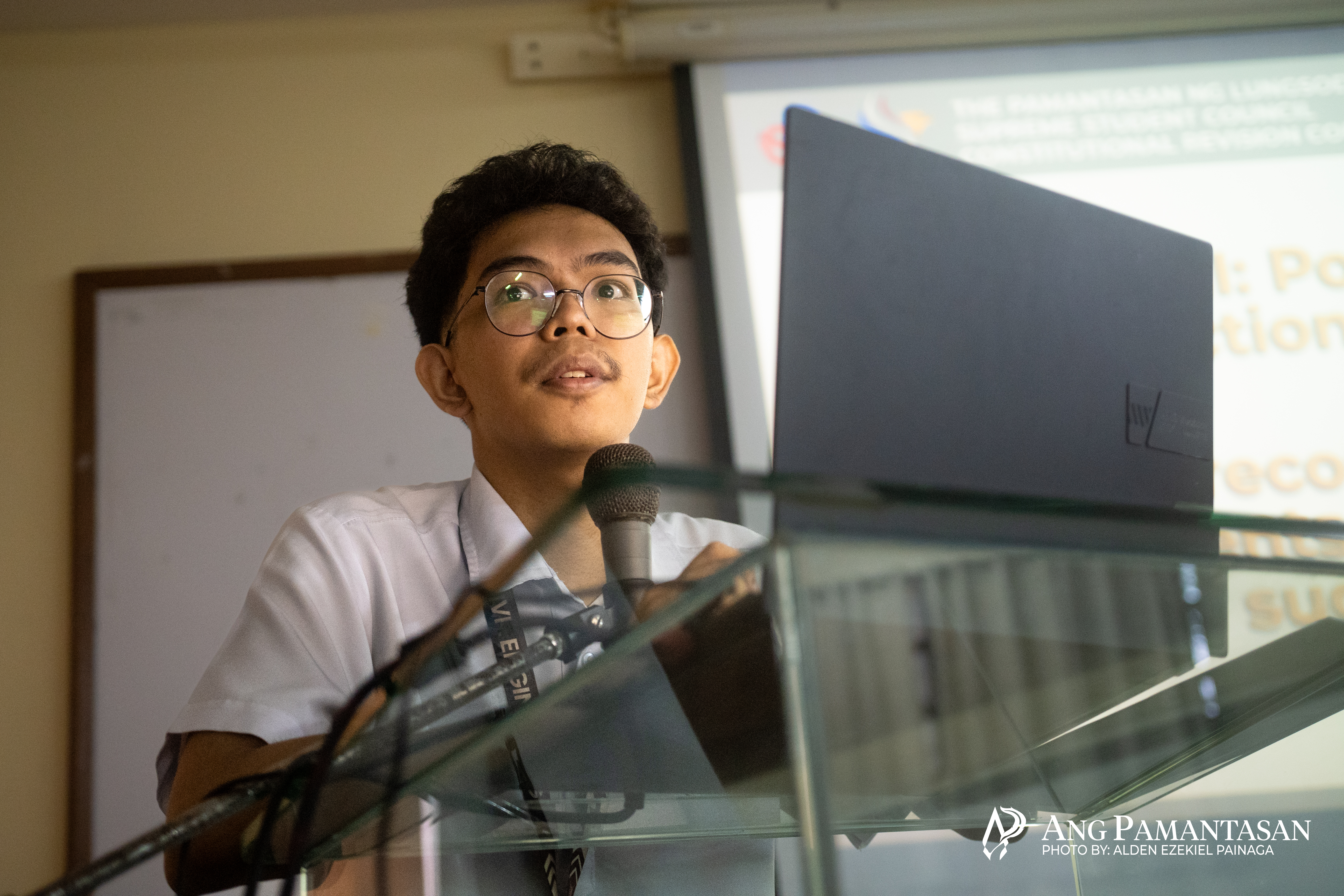
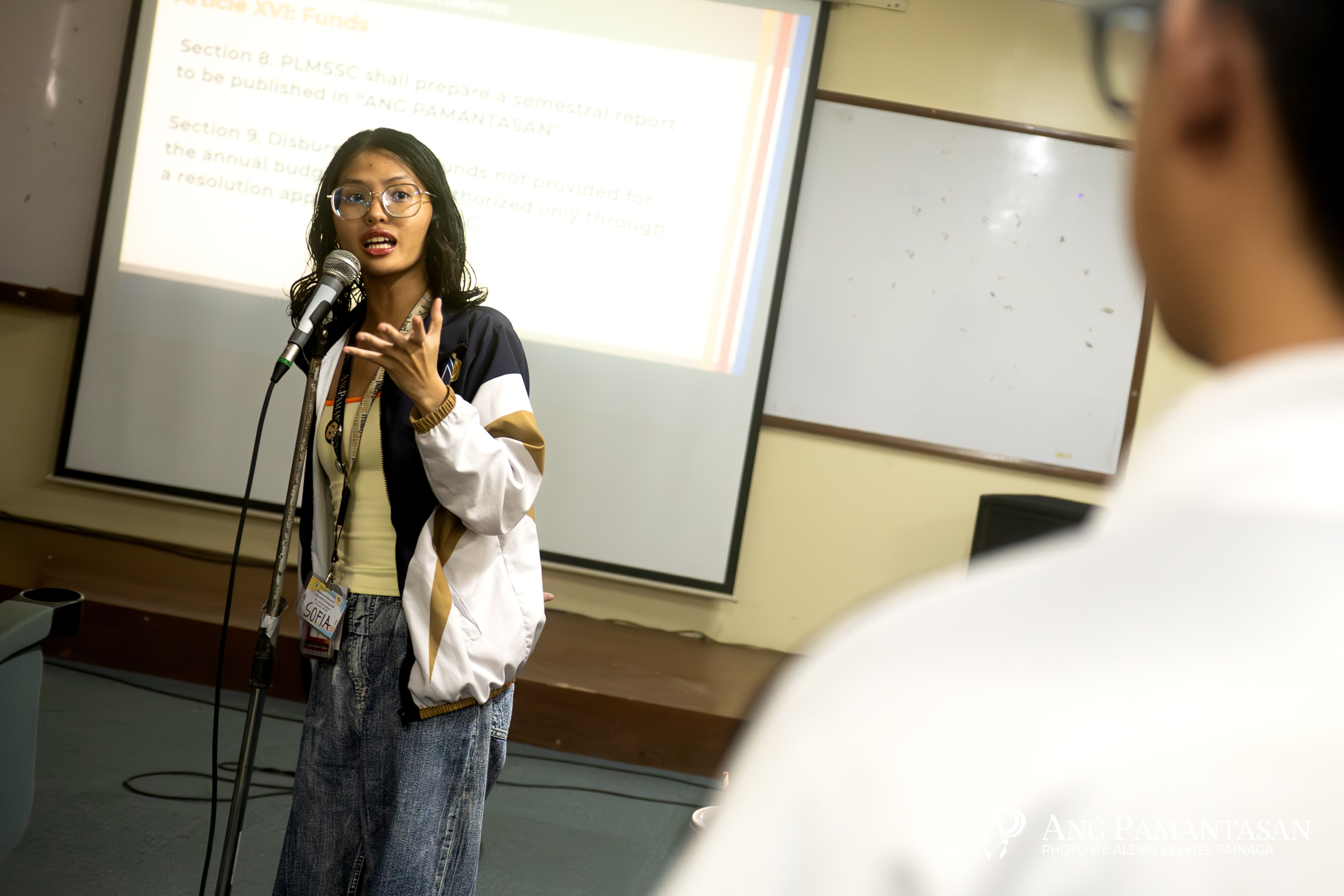
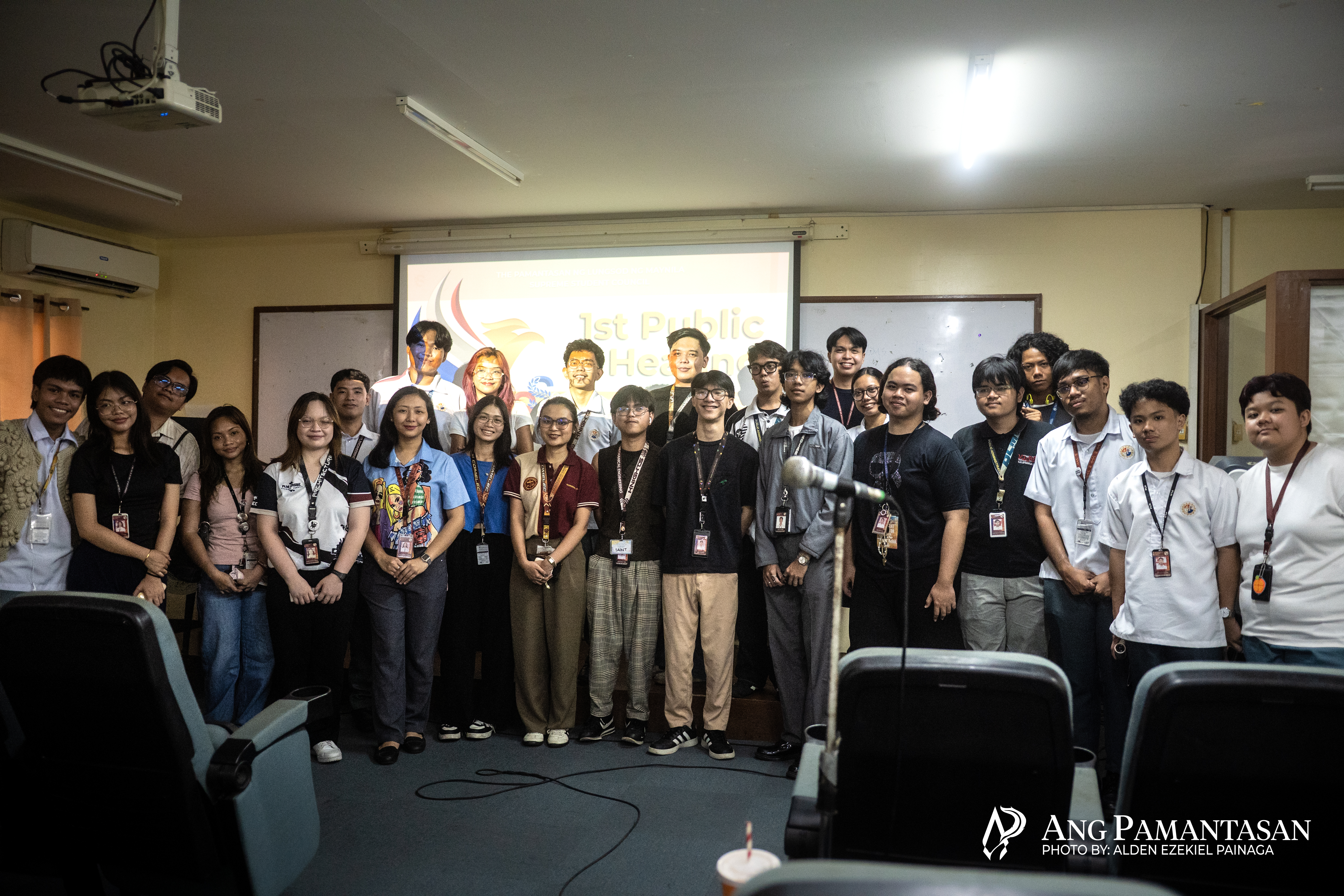
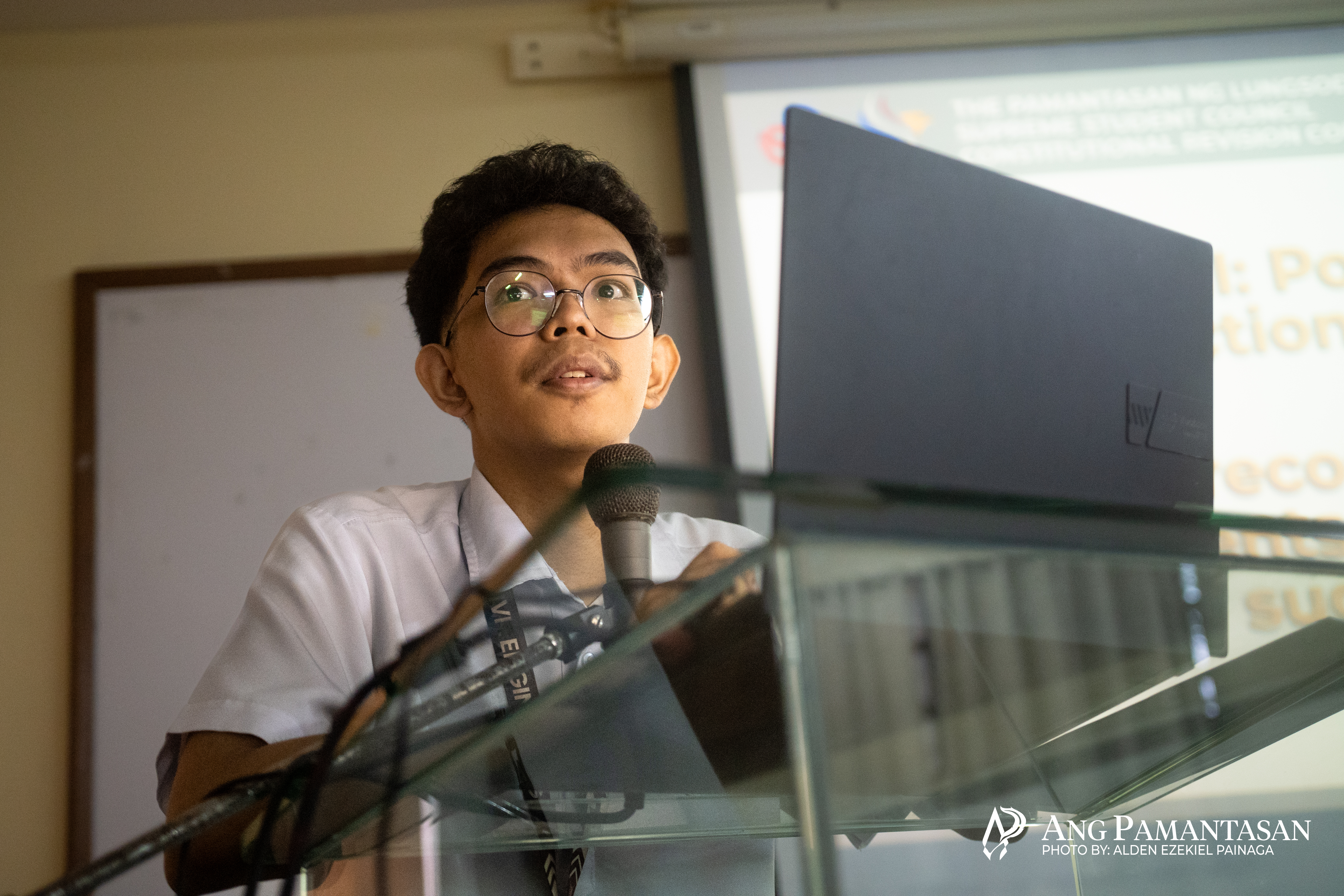
The Pamantasan ng Lungsod ng Maynila Supreme Student Council (PLM-SSC) opened its proposed Constitution and By-Laws (CBL) revisions to student leaders during its first public hearing at the Gusaling Emilio Ejercito Audio-Visual Room (GEE-AVR), Oct. 7.
The hearing was convened by the SSC’s Constitution Revision Committee (CRC) under Executive Order No. 1, Series of 2026, with SSC Vice President Jovert Mendoza serving as committee chairperson.
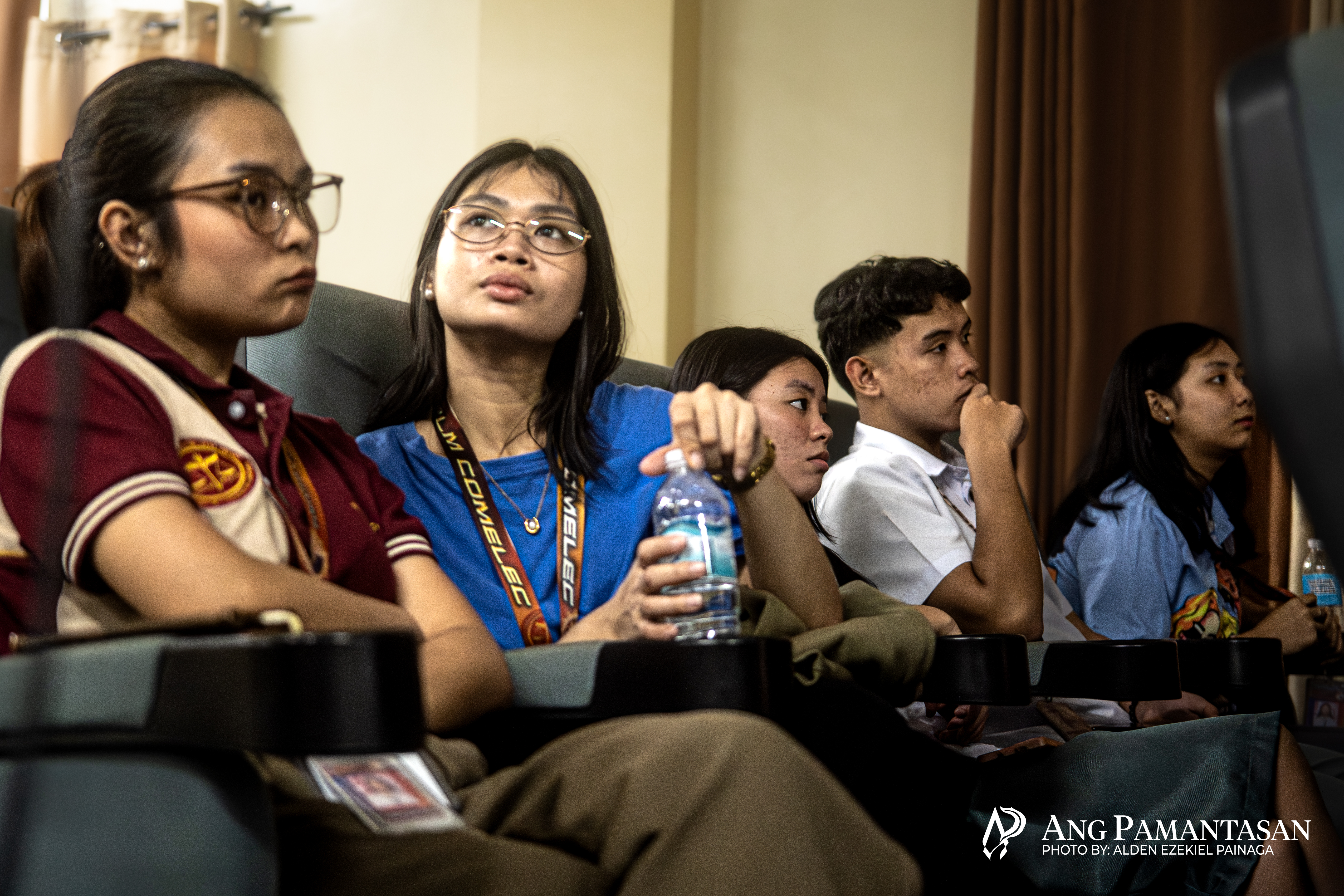
Student leaders from nine colleges were present in the hearing, including representatives from the College of Engineering (CE), College of Public Administration (CPA), College of Humanities, Arts, and Social Sciences (CHASS), College of Architecture and Sustainable Built Environment (CASBE), and College of Nursing (CN).
According to the SSC, the review seeks to address outdated, unclear, or insufficient provisions in the CBL and align the document with the council’s current structure.
Mendoza said the CRC had conducted an initial review and deliberation of the CBL but emphasized that the proposed amendments were “not yet final.”
“This hearing is an opportunity for the student body to question, comment, recommend, and propose changes to what we have put forward,” Mendoza stated.
Proposed amendments
The CRC’s initial review proposed revisions to clarify key terms, define the responsibilities of college representatives, and strengthen provisions governing elections and accountability.
Article I (General Provisions) amendments are said to be deferred after the public consultation to align the revisions with the student body’s comments as they recognize that it mainly establishes the foundation on which the CBL operates.
The amendments to Articles II (Principles and Objectives), III (Bill of Rights), IV (Duties and Obligations), V (Suffrage), and VI (Powers and Functions) mainly focused on conciseness for better readability and strengthening of legal backgrounds by referencing the 1987 Constitution and the rules and regulations from the Commission on Higher Education (CHEd).
Participants mainly pointed out grammatical and syntax errors, aiming for a more professional and consistent approach in drafting the said articles.
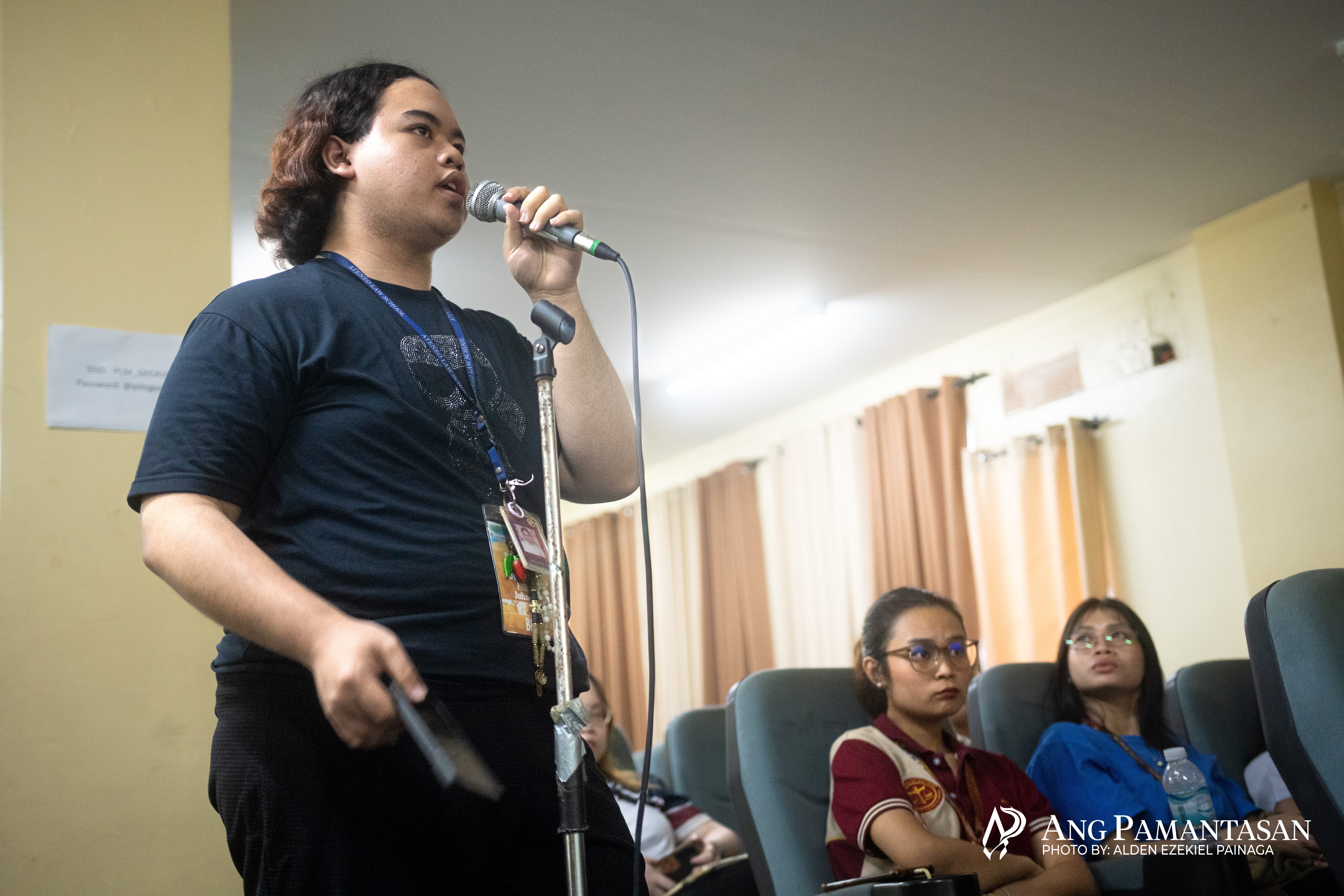
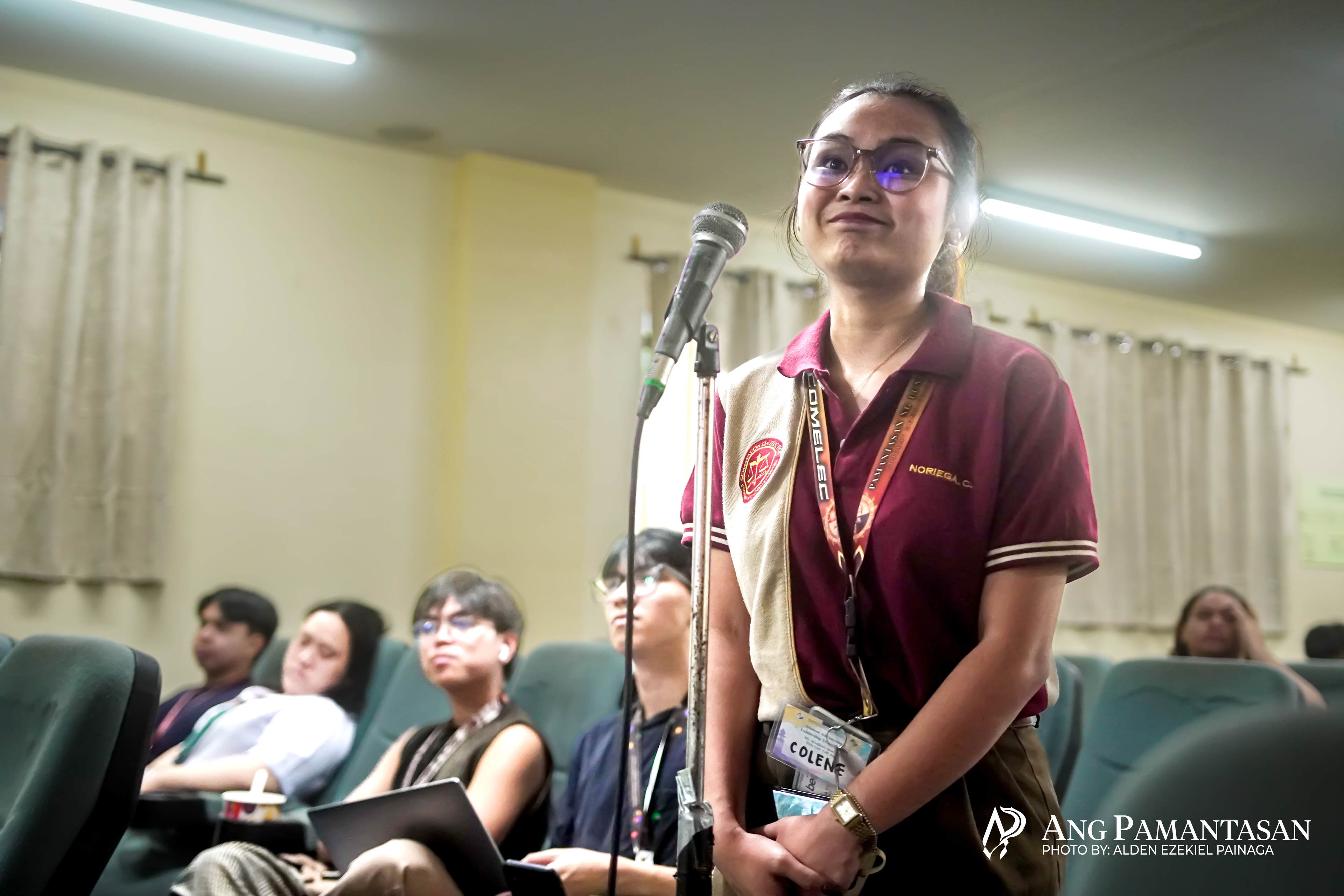
PLM Student Commission on Elections (SCOMELEC) Chairperson Colene Eugenio raised concerns over Section 2 of Article VII (Organizational Structure), which establishes that one college representative shall be elected for every 500 enrolled students in a specific college.
Eugenio contested that the number of enrollees is not easily determined and suggested further specifying the required population number to avoid vagueness, emphasizing that a second college representative will only be elected once the population threshold goes above the major fraction of 500, which is 751 students.
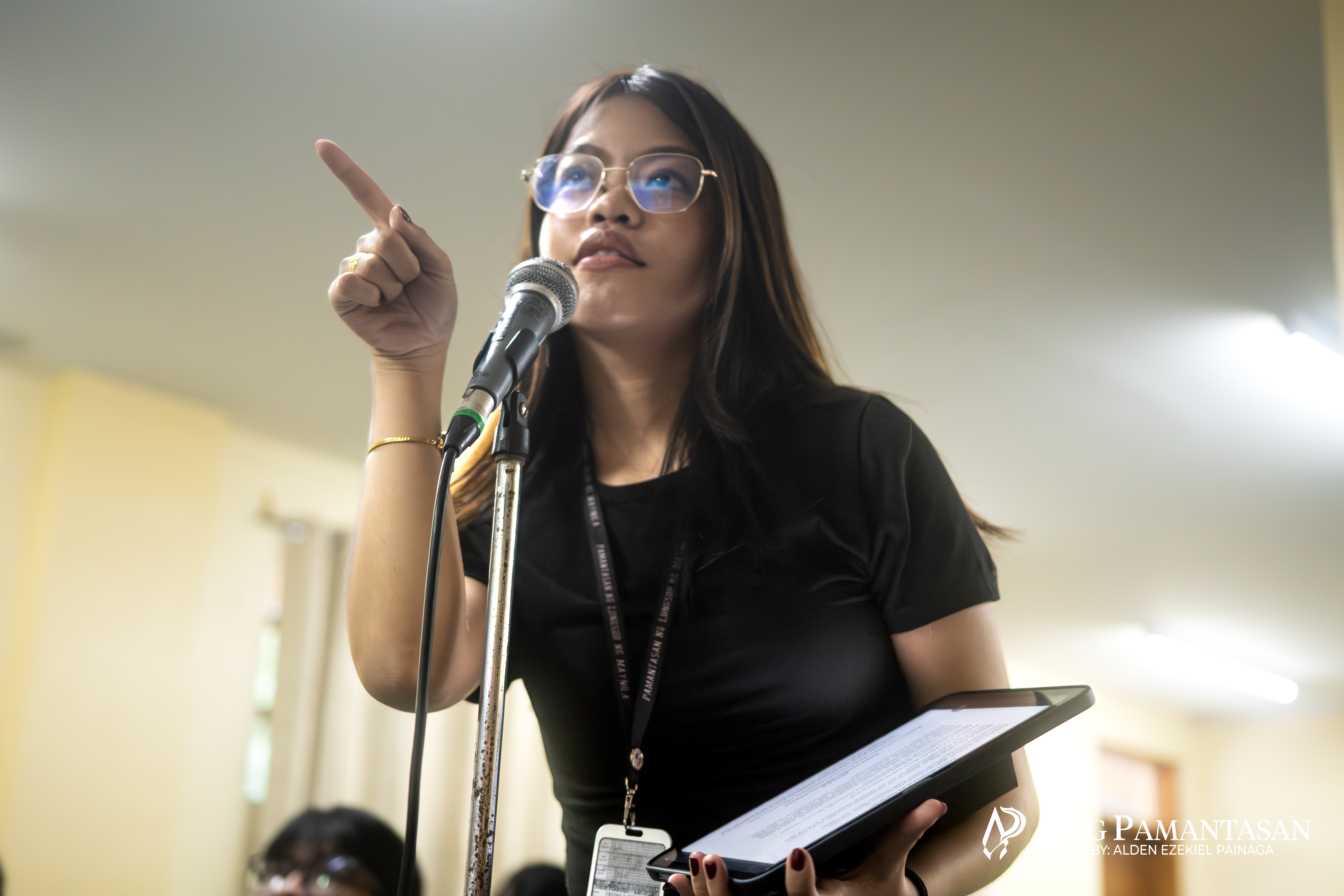
SSC President Jahna Par also questioned the phrase “for the incoming academic year,” saying it could affect the eligibility of graduating students to vote in SSC elections. She maintained that graduating students should retain their right to participate in the electoral process.
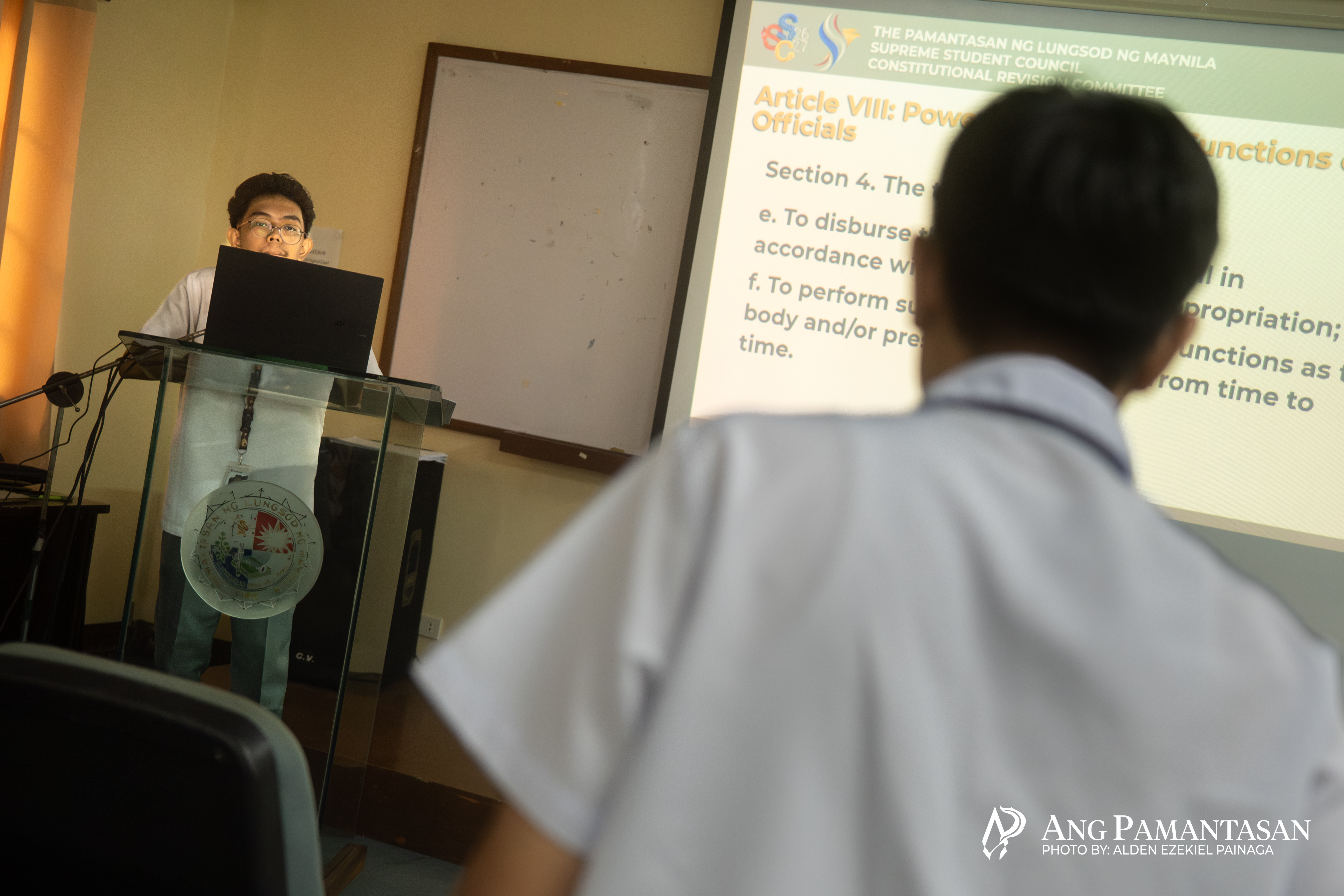
Subsequently, concerns were raised in Article VIII (Powers, Duties, and Functions of Officials) regarding the roles held by college representatives, limiting their CSC role to an “ex officio” member.
Students also sought clearer guidelines and definitions of terms in Article IX (Qualifications of Officers) to avoid ambiguity in interpretation. PLM Pre-Law Society (PLSoc) President Adiel Maggay also raised concerns regarding the “regular student” qualification for those seeking to run for office, noting shiftees who might want to join in student governance but are not technically qualified.
The CRC also reviewed provisions on elections, the SCOMELEC, tenure and vacancies, advisers, meetings, accountability, funds, amendments, and holdover provisions under Articles X to XVIII. The proposed changes seek to clarify the procedures and responsibilities governing the SSC and its relevant bodies.
Mendoza affirmed that all suggestions, comments, and concerns of the student body are noted by the CRC and will be deliberated upon in their second review.
Plans moving forward
Mendoza outlined the next steps in the revision process, including separate consultations with the PLM SCOMELEC and the PLM Student Commission on Audit (SCOA).
The timeline contained four scheduled drafting and deliberation sessions, legal review by the University Legal Counsel, and additional public hearings, leading to the final approval and ratification of the SSC CBL on Feb. 26.
The final proposed CBL shall require the affirmative vote of at least two-thirds of the members of the CRC before its endorsement. Furthermore, the SCOMELEC shall formulate and implement the guidelines governing the conduct of the plebiscite and the voting process.
Mendoza clarified that the timeline set is subject to emergency changes due to unforeseen circumstances, in accordance with the approved university calendar for the current academic year.
SSC calls for wider student reach
The SSC plans to release the original CBL alongside its revised version and provide a Google Form for additional feedback from the student body. Participants also proposed livestreaming succeeding public hearings to broaden access and encourage wider participation.
Par also suggested inviting more organizations and councils to join the next public hearings to further gain insights from various student leaders regarding the proposed amendments or revisions.
The CRC encouraged students to participate in the succeeding consultations and submit feedback on the proposed revisions as the committee continues its review of the SSC CBL.