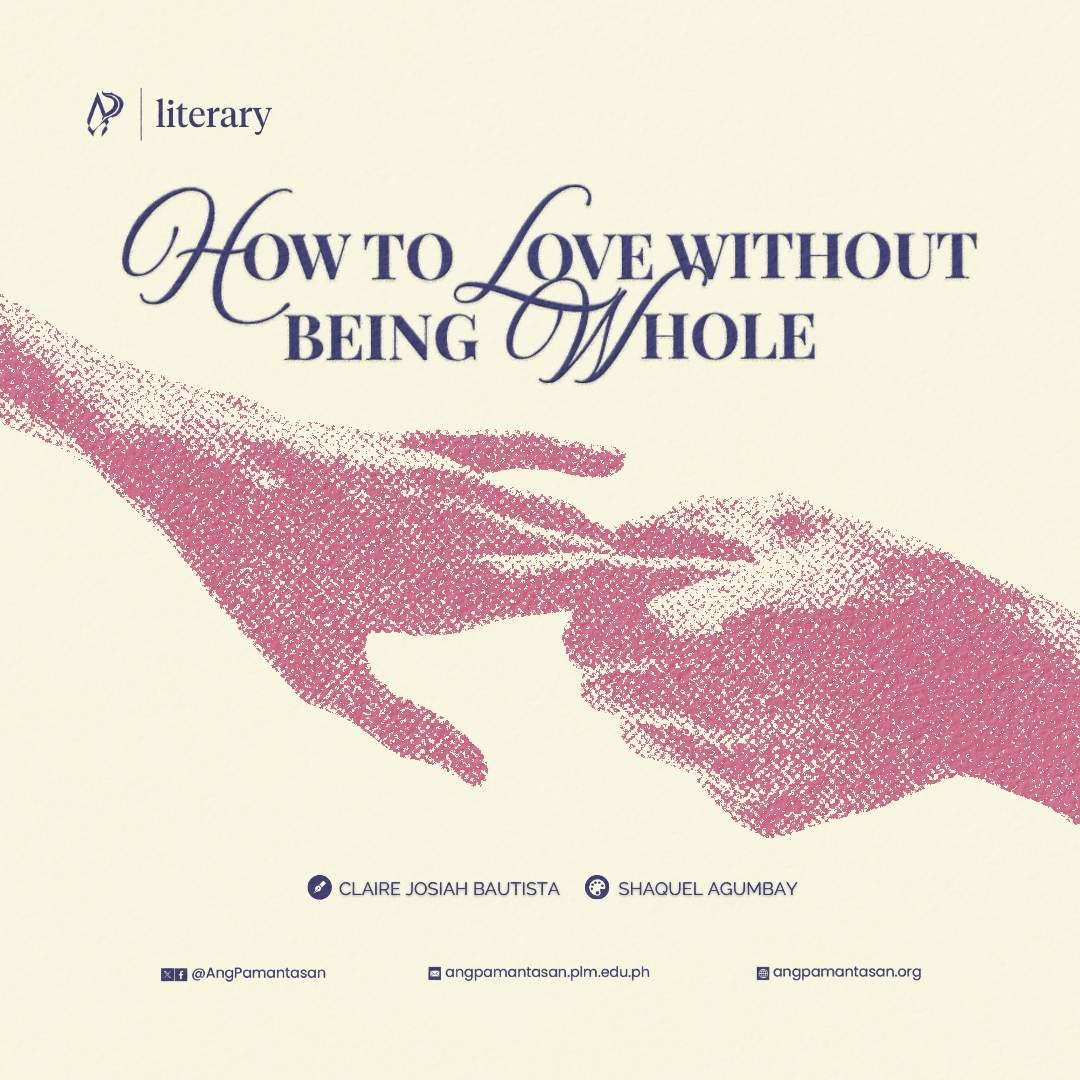
How to Love Without Being Whole
Written by Claire Josiah Bautista • Board by Shaquel Agumbay | 20 February 26
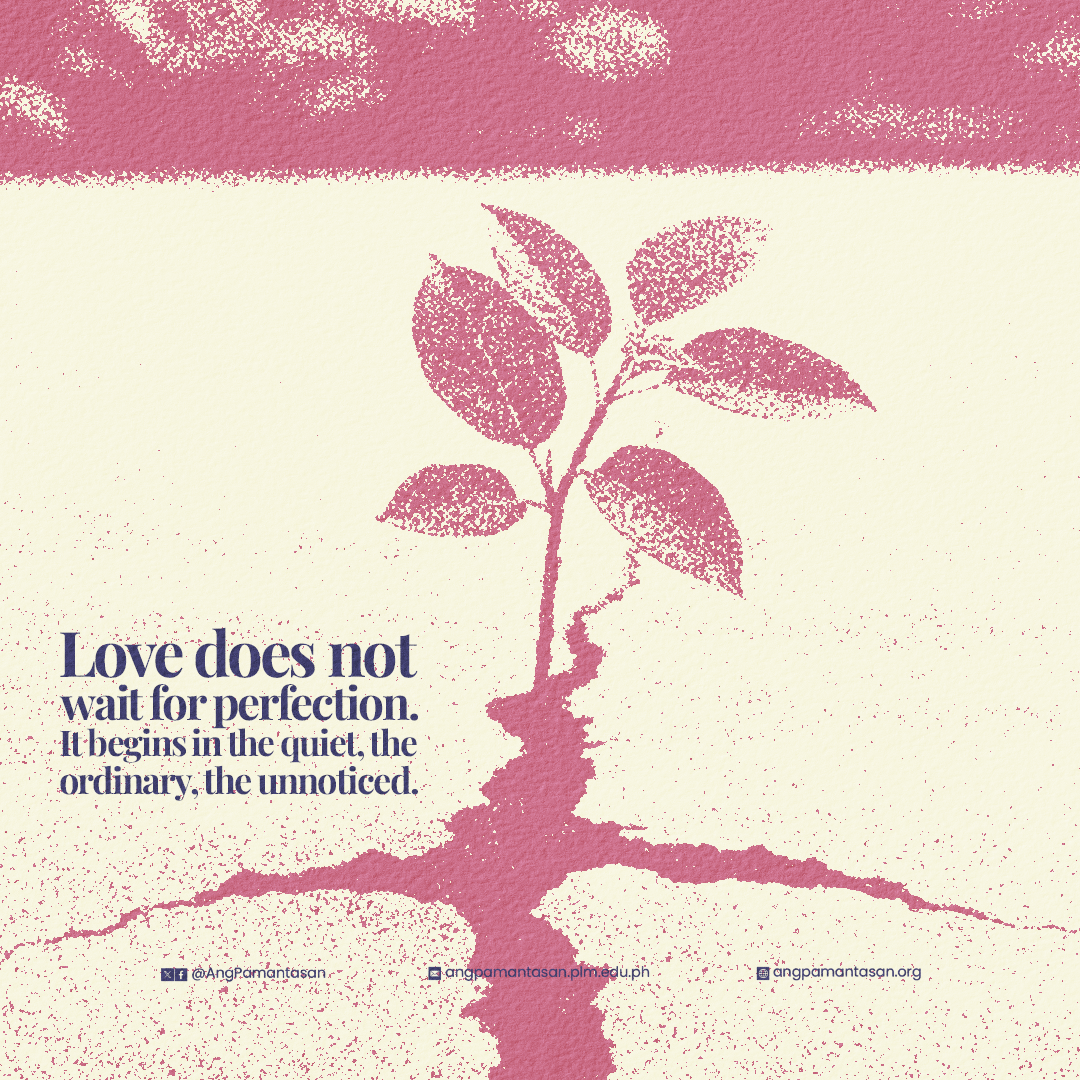
Love does not wait for perfection. It does not wait for a repaired heart, for every crack to be filled, for every jagged piece to be smoothed. Love begins in the quiet, in the moments that seem too small to matter—a shared glance, a remembered smile, a hand held when the world feels heavy. Love grows not in waiting, but in noticing, in showing up, in choosing again and again.
One does not need to love oneself first to love another.
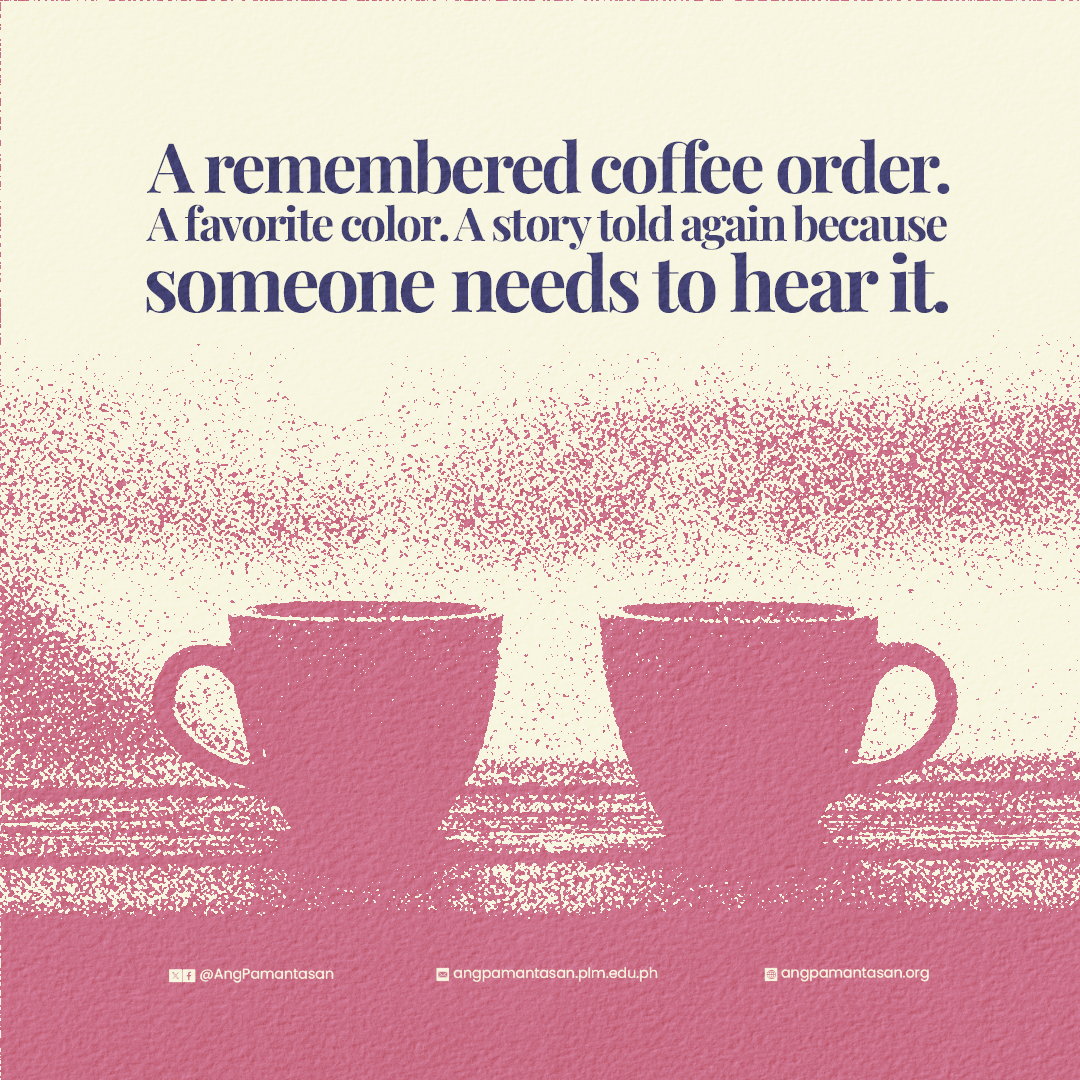
Love is remembering. Remembering who takes their drink without coffee, always matcha, always gentle on the stomach. Remembering who finds pistachio grounding, who avoids acidity and reaches for something fruity instead. Remembering these things not because they were written down, but because caring makes memory instinctive.
Love is noticing color—pausing in front of green things and thinking of them. A cake in a bakery window. A bag on a rack. Quietly filing it away for a future day when joy can be given without explanation. It is learning which words land softly and which ones bruise, choosing silence or humor not out of fear, but out of care.
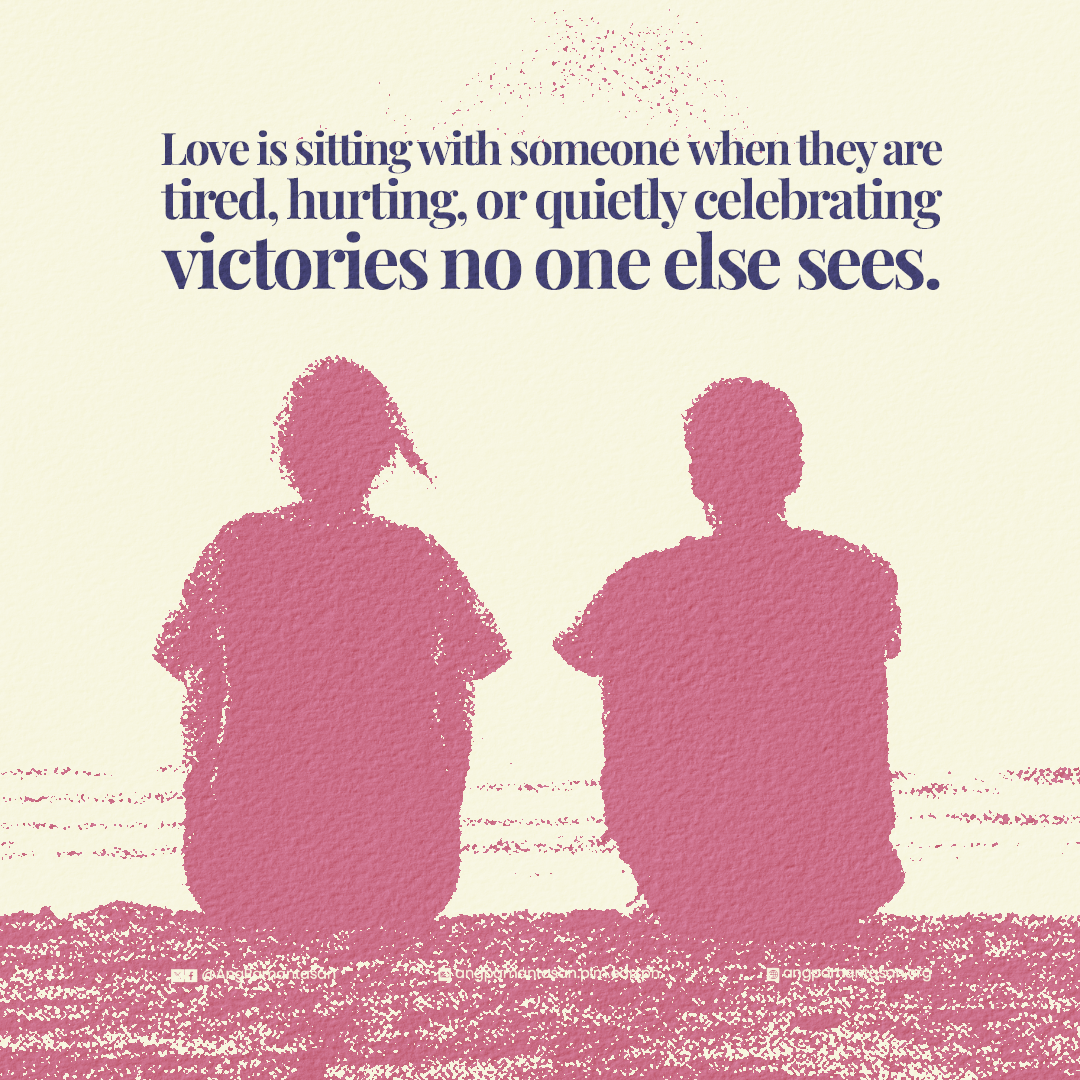
Love is laughing at their jokes even when you’ve heard them before, because the laughter matters more than the punchline. It is listening as if the story might vanish if you don’t. It is holding space so their voice never feels like an inconvenience. Love is sitting with them in quiet patience when they are tired, when they are hurting, when victories arrive that no one else sees. In these gestures, small and ordinary, love lives—and the heart discovers its own capacity: patience, tenderness, joy.
Love is also felt in partnership. It shows up in being competitive without cruelty—playing their favorite game and refusing to be handed a win, letting you try again and again until you finally earn it, until satisfaction settles in and victory feels real. It is exploring new games together, failing loudly, laughing harder, and learning side by side.
Love is eating buttered corn and sharing one bottle of cola when you’re broke—but pretending it’s a feast anyway. It’s standing side by side eating isaw and kwek-kwek in front of Kartilya, traffic humming behind you. And somehow, in the middle of busy sidewalks and jeepney engines, between orange balls and shared sips of cold soda, love feels full—even when your pockets aren’t.
Love lives in watching their favorite movie and in them sitting through yours, not out of obligation but curiosity. It slips into conversations about the books you’re reading, the experiments they’re trying, the ideas still forming. It is listening without rushing, letting enthusiasm spill, letting silence breathe.
Love is in late-night drives with the windows down, city lights blurring into constellations of their own. It’s off-key karaoke at red lights, both of you shouting the wrong lyrics with unearned confidence, laughing before the chorus even hits. It’s not caring who hears—because for a moment, the world is only as big as the dashboard glow and the sound of your shared voice.
Love is reading in the park while they fall asleep with their head resting on your lap, sunlight shifting across pages you barely turn. It is trying new restaurants and remembering what they’re allergic to before the waiter asks. It is care woven so casually into routine that it never needs announcing.
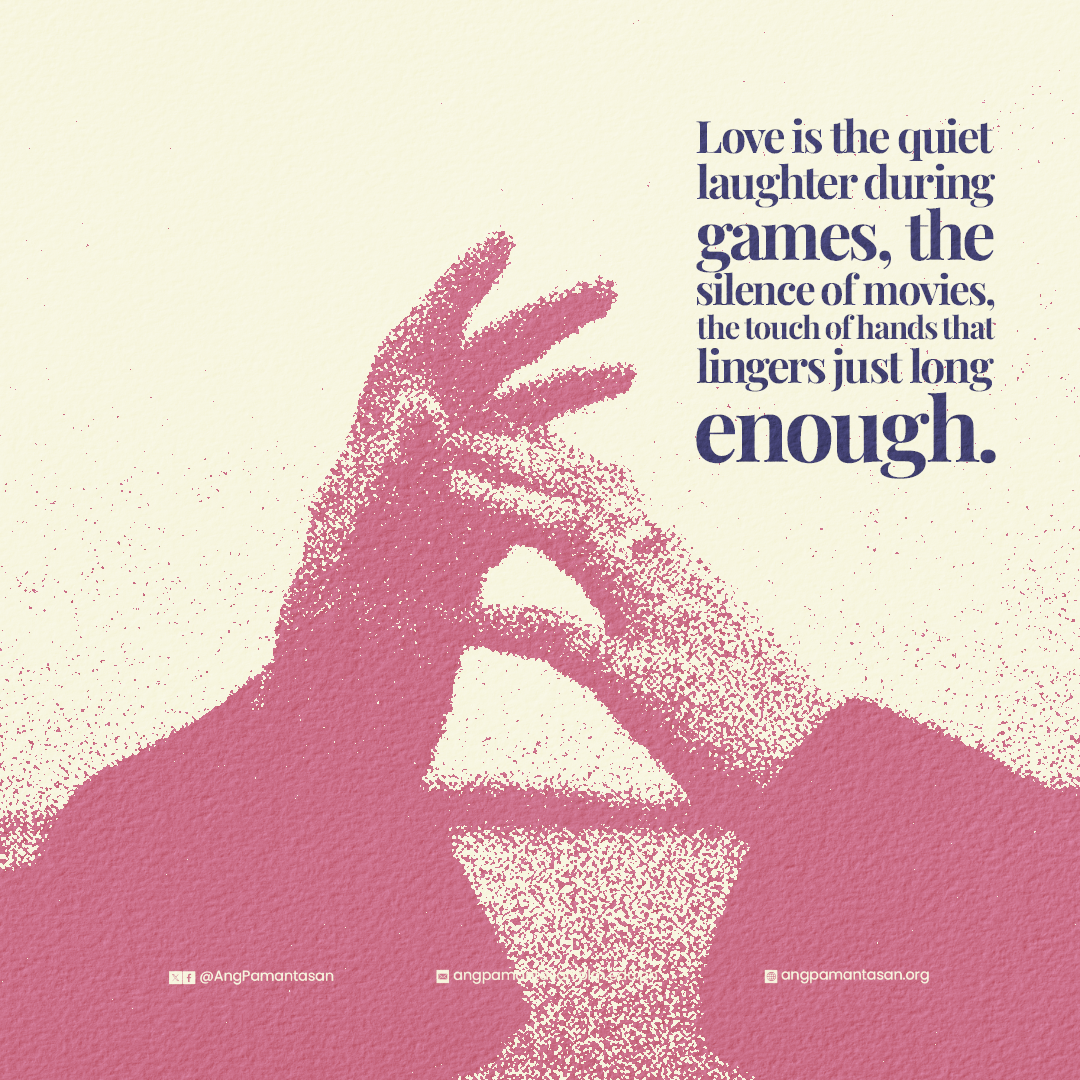
It is fingers brushing during movies, hands staying clasped. Hugs that linger—not to anchor, but to reassure. And in these small, attentive rituals, love begins to look like a future: quiet weekends, inside jokes, shared meals, lives imagined together that once felt unnecessary, now impossible to unsee.
Love is choosing each other again and again—not because it is easy, but because it is honest. Because it asks you to show up fully, and meets you there. Because in the way you are allowed to try, to fail, to win on your own terms, it already feels like home.
The world insists that self-love must come first, that hearts must be whole before they can give. But love proves this wrong. Love teaches through doing, through staying, through presence. Patience is learned because another endures imperfection. Trust is learned because another chooses to stay. Courage is learned because another dares to dream alongside you. Love is the quiet sculptor, shaping the heart not by waiting for readiness, but by showing what it has already contained all along.
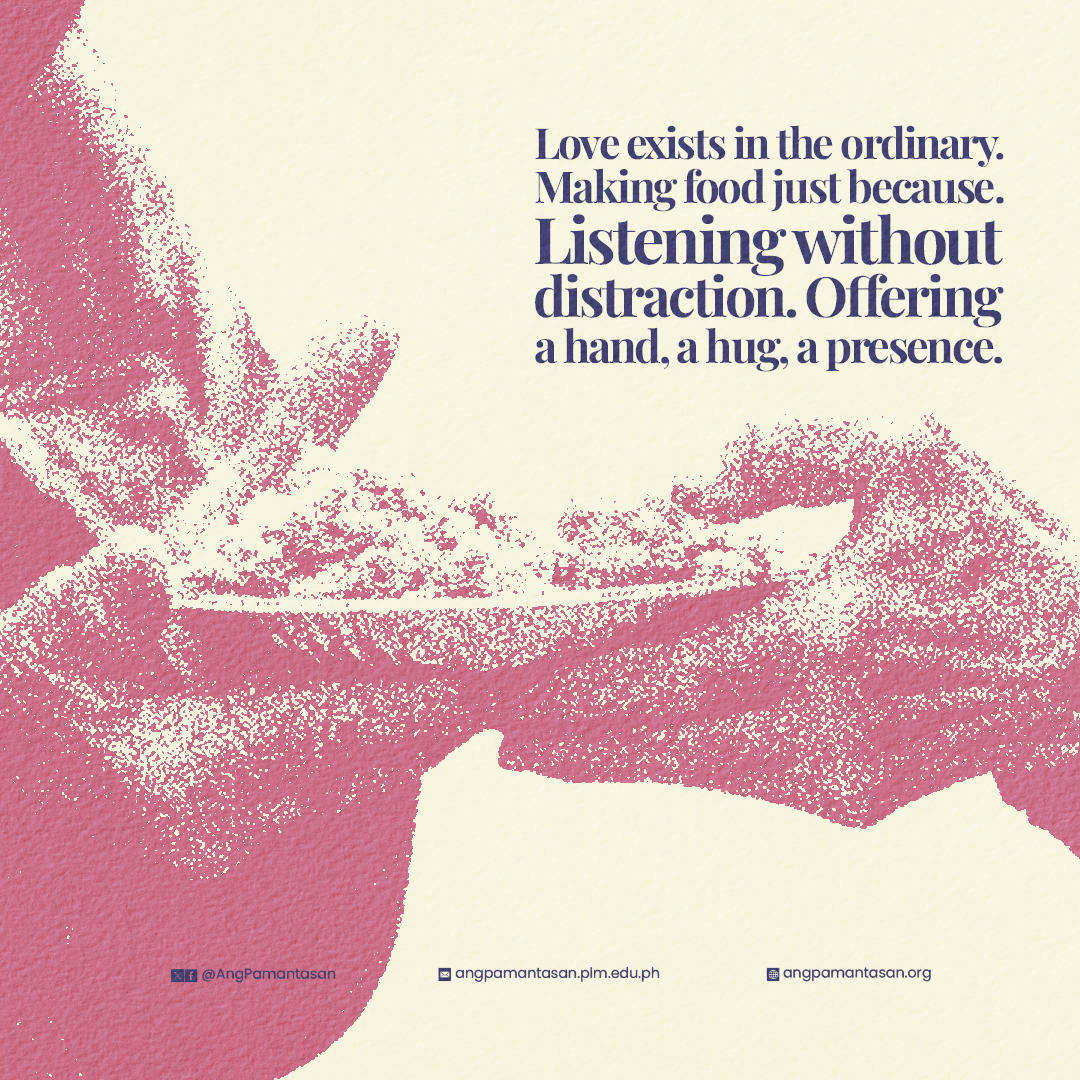
Love exists in the ordinary, in the unnoticed. It is making someone’s favorite food just because, listening when they speak without distraction, offering a hand, a hug, a shoulder, a presence that whispers: I see you, and I am here. It grows not as a reward for healing, but as a practice, a choice, a quiet discovery. In loving others, the heart learns itself.
Love continues. Friends are laughed with, stories are shared, and small victories are celebrated. Dreams are whispered with a partner, hands are held, hearts are open, even when imperfect. Even when unfinished. Love does not wait for wholeness. It sustains. It teaches. It is already enough.
And perhaps the most extraordinary truth is this: it is possible to remain unfinished, raw, human—and still love fully, deeply, without reservation. Through noticing, remembering, staying present, through laughing, holding, and simply being there, the heart discovers its quiet abundance. It is enough. Always, it is enough.